Agentic Enterprise / HEADLESS 360
Map Agents to Outcomes: Integrating Salesforce Agentforce with the Model Context Protocol
A practical, decision-focused guide for CIOs and platform leads on integrating Salesforce Agentforce with the Model Context Protocol (MCP). Includes a Headless 360 operating-model point of view, a 90-day checklist, risk mitigations, and a concise FAQ.
THE DECISION PATH
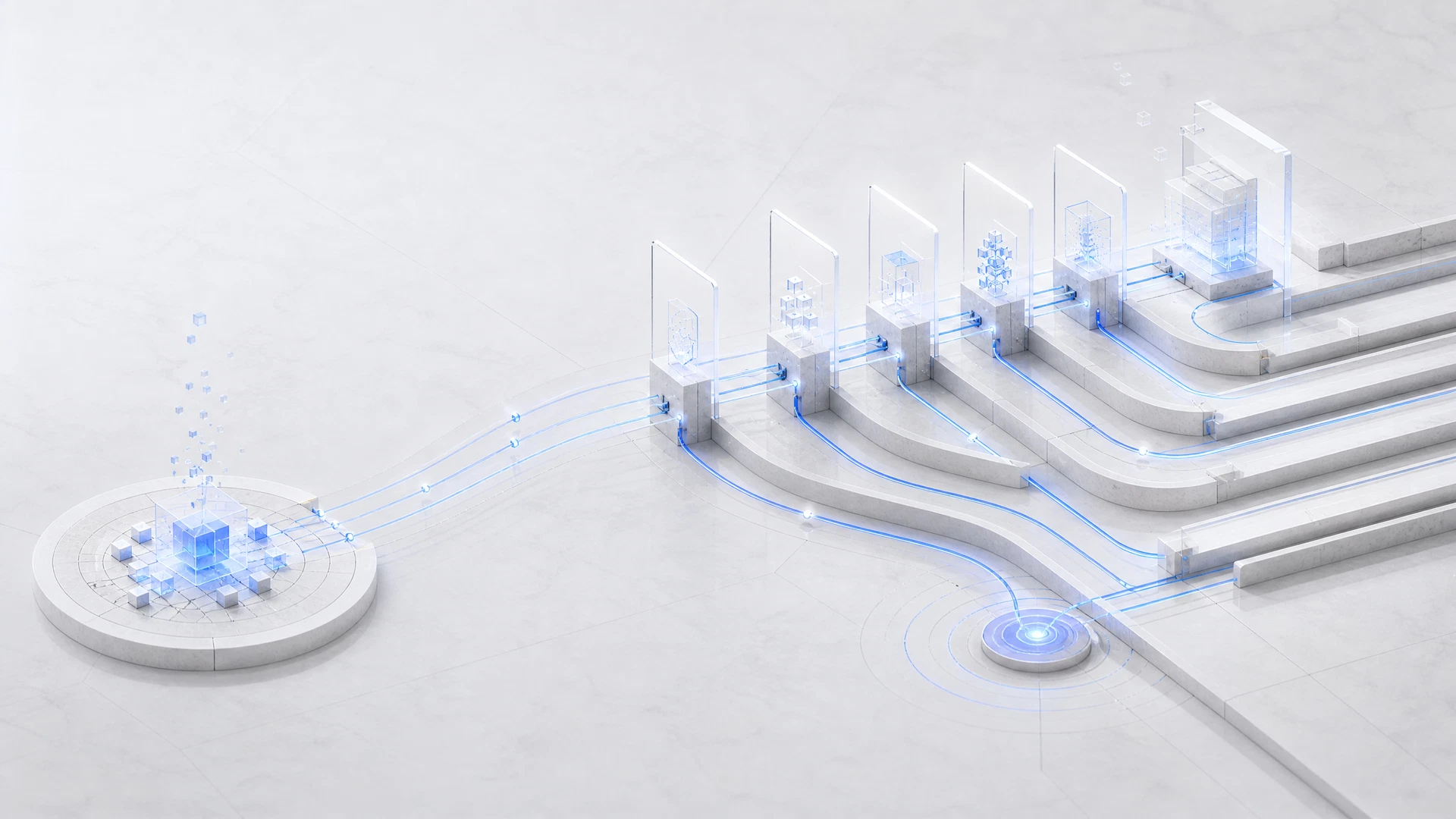
Agentic Enterprise / operating model- 01Workflow
- 02Context
- 03Control
- 04Evidence
# Map Agents to Outcomes: A pragmatic decision for CIOs — Integrating Salesforce Agentforce with the Model Context Protocol
Executive summary
Enterprises adopting human+AI agent platforms face a brittle integration surface: agent reasoning is fast, but context plumbing and cross-agent cooperation are not. The primary-source dossier shows two complementary levers available today: Salesforce Agentforce (a product family that bundles Builder, Voice, Dev Tools, AgentExchange and platform integrations) and the Model Context Protocol (MCP), a lightweight JSON-RPC layer for exchanging context, tools, resources and notifications between AI hosts and context servers. For technology leaders who must convert experimentation into predictable business outcomes, the concrete decision is: adopt MCP as your context-exchange standard for Agentforce-driven workflows, then operationalize it through a phased program that prioritizes human-in-the-loop governance, transport selection, and cataloging of agent capabilities.
Why this matters now
- Salesforce Agentforce surfaces a suite of products and integrations intended to run agents alongside human workers, across sales, service, commerce and more. The platform names (Agentforce Builder, Agentforce Voice, AgentExchange, Dev Tools) represent the practical entry points for deploying agents inside existing CRM and contact-center processes. (Source: Salesforce Agentforce product pages.)
- MCP defines a concrete, transport-agnostic data-layer and a discovery/notifications model that maps directly to the kinds of context and tooling an enterprise-grade agent platform needs: tools (actions), resources (documents, data), prompts, and notifications, using JSON-RPC 2.0 and two supported transports (stdio for local, Streamable HTTP for remote), and recommending OAuth for secure tokens. (Source: MCP Architecture documentation.)
The decision: adopt MCP as the canonical context bus for Agentforce integrations
Recommendation (single-line): Standardize on MCP for all agent-to-context and agent-to-agent exchanges in your Agentforce program; expose Agentforce capabilities (skills, connectors, tools) as MCP tools/resources; and operate a hardened MCP server (or managed equivalent) behind your enterprise API gateway.
Why this choice is low-friction and high-leverage
- Mechanical fit: MCP already models the primitives you need — discovery, tool execution, resources, notifications — which reduces custom adapters between Salesforce agent runtime and your knowledge stores.
- Transport flexibility: For on-prem or edge-sensitive workloads you can use stdio transport; for cloud/managed MCP servers or multi-tenant deployments use the Streamable HTTP transport with OAuth as recommended by MCP.
- Product alignment: Agentforce is designed to surface both no-code Builder and developer tooling; exposing those as MCP-discoverable tools makes them callable by other agents, UIs, and orchestration layers without bespoke APIs.
Headless 360 operating-model point of view
Headless 360 interprets this integration as an operating-model change, not merely a technical one. We recommend adopting a three-node operating model:
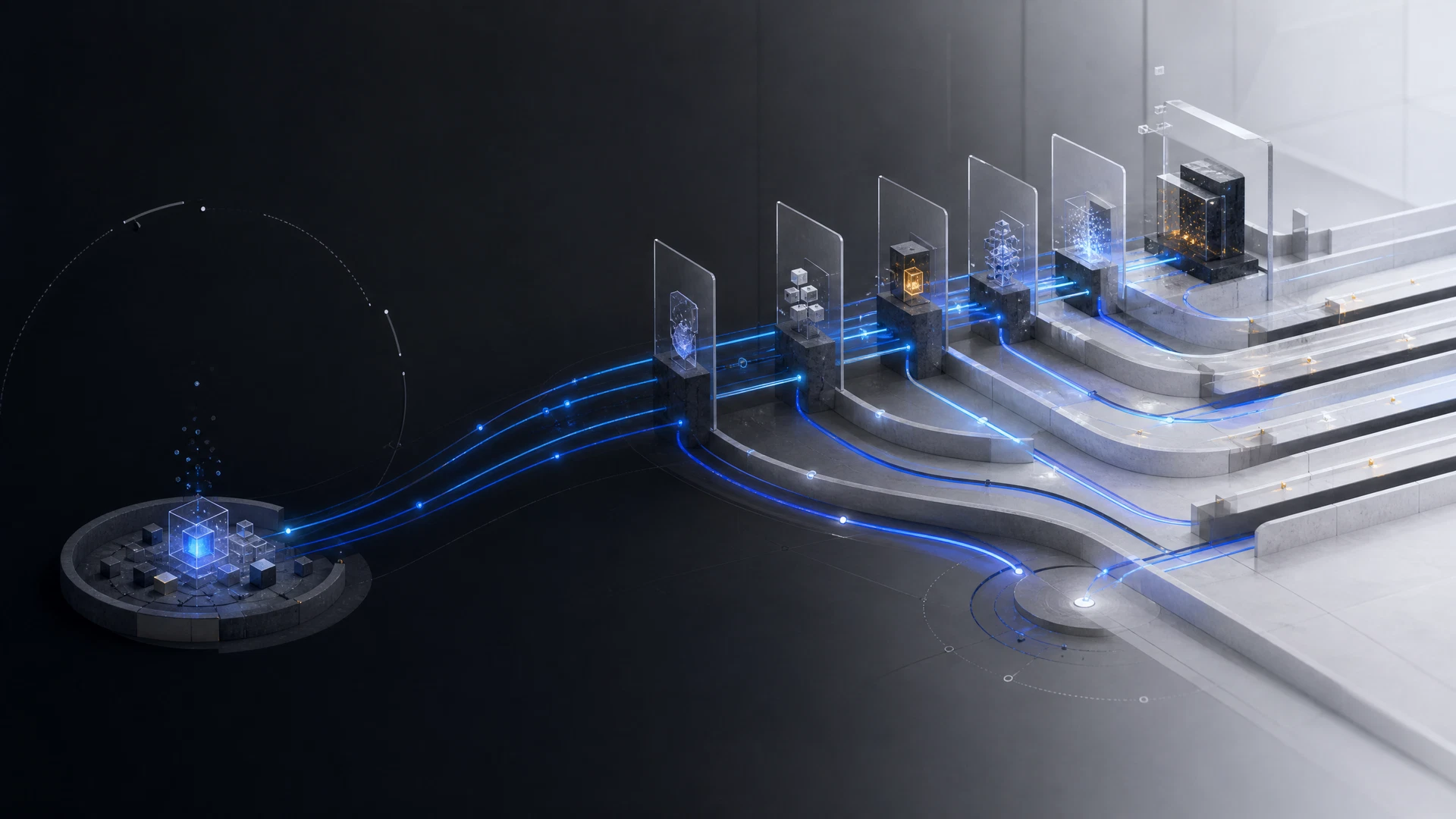
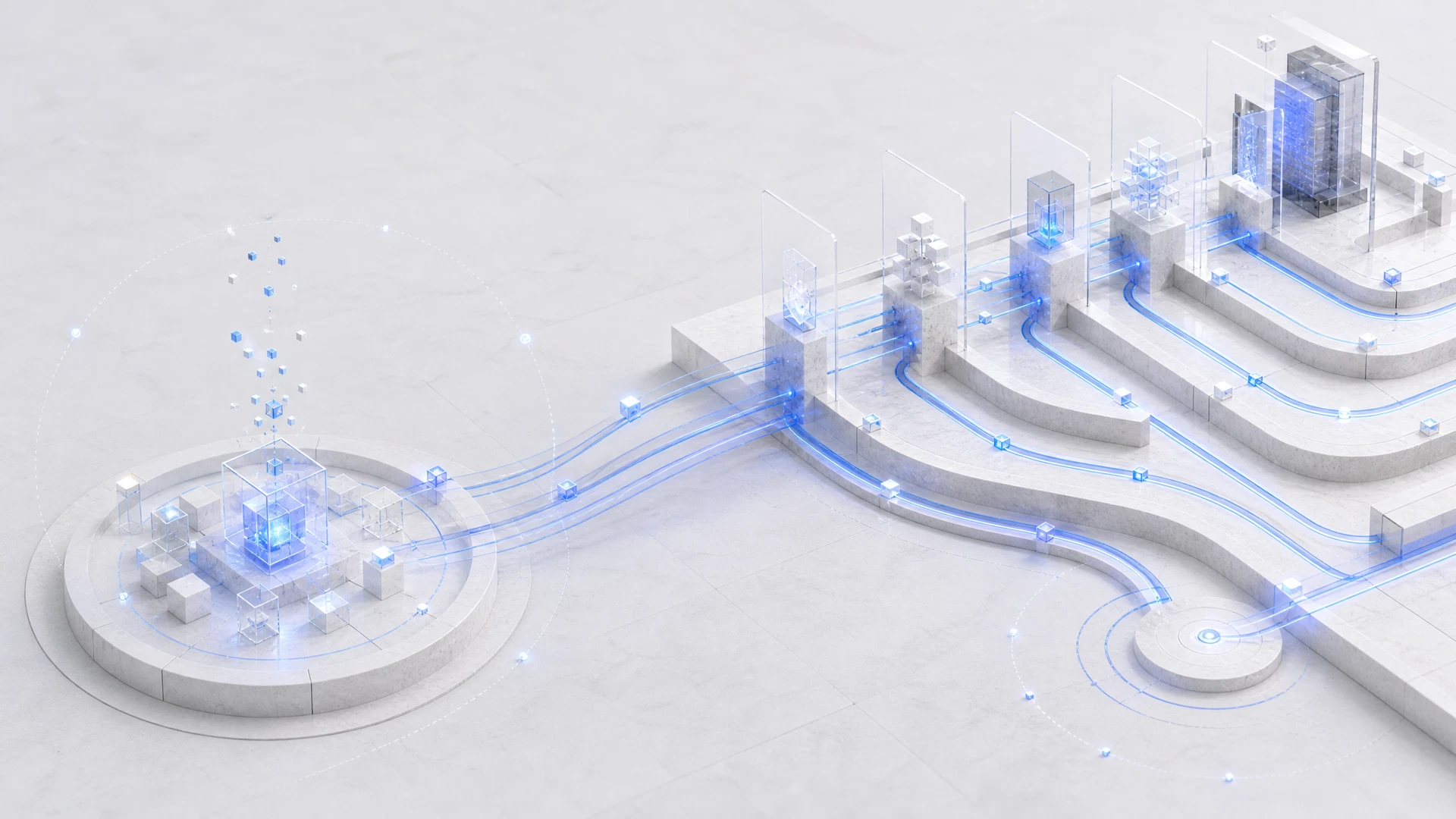
1) Signal Cartography (design-time): Build and maintain a live catalog — a Signal Cartography — of agent capabilities, data resources, and notification channels. Each catalog entry maps to an MCP tool or resource descriptor and includes owner, SLA, access controls, and human escalation paths. Signal Cartography must be treated as configuration, not code; it is the single source of truth for who can call what and who to page when an agent needs human approval.
2) Execution Fabric (run-time): Deploy a managed MCP server (or run an internal MCP cluster) behind your identity and API gateway. Use Streamable HTTP with OAuth tokens for cross-service calls; reserve stdio for local-only adapters. Integrate Agentforce connectors (AgentExchange/Dev Tools) into the fabric as MCP tools, and subscribe to notifications for long-running operations.
3) Governance & Human-in-the-loop (org): Formalize approval workflows and monitoring thresholds so that every agent action touching critical data or customer outcomes has a human-approval pattern defined in the Signal Cartography. Instrument audit trails at the MCP layer — discovery and tool execution events are the most important telemetry.
Implementation checklist (practical first 90 days)
- Day 0–14: Inventory
- - Catalog Agentforce endpoints and capabilities you intend to expose (Builder flows, Voice handlers, AgentExchange connectors, Dev Tools).
- - Create an initial Signal Cartography document that maps each capability to an MCP primitive (tool/resource).
- Day 15–45: Prototype
- - Stand up a reference MCP server (use an open reference or lightweight implementation) and implement a small set of adapters: one Agentforce Builder flow as an MCP tool, and one read-only resource connector to your CDP or knowledge store.
- - Select transport: use stdio for a local integration test; iterate to Streamable HTTP with OAuth for a cloud endpoint.
- Day 46–90: Harden & Pilot
- - Add notifications for long-running tasks and error conditions; require human confirmation for actions that change customer state.
- - Pilot in one business unit (e.g., contact center) and collect joint human+agent outcome metrics: time to resolution, rework rate, and number of agent-to-human escalations.
Risks and mitigation
- Miscataloging tools: If capability descriptors are incomplete, agents will overreach. Mitigate with mandatory metadata in your Signal Cartography and a gating review for any new tool publication.
- Security surface: Exposing tools remotely increases risk. Use OAuth, per-MCP recommendations, enforce least privilege scopes, and place MCP behind your API gateway.
- Organizational friction: Developers and business owners may resist new governance. Make the first pilot lightweight and focused on a clear KPI tied to revenue or cost.
What success looks like (concrete outcome)
Within six months you should be able to: (a) call an Agentforce Builder flow from another agent via MCP discovery and tool execution, (b) route long-running actions to human operators using MCP notifications, and (c) use the Signal Cartography to trace who owns each tool and why it exists. These outcomes reduce bespoke integration work and enable faster multi-agent orchestration.
Concise FAQ
Q: Do I have to replace Agentforce APIs with MCP? A: No. Start by layering MCP adapters that expose Agentforce capabilities as MCP tools; keep native APIs for backward compatibility and incremental migration.
Q: Which transport should I choose? A: For tightly-coupled local adaptors, stdio is lowest-latency. For cross-service or multi-tenant setups, use Streamable HTTP with OAuth as MCP recommends.
Q: Will this change my data-residency or compliance posture? A: It can. Treat the MCP server as a data-plane component: ensure it adheres to your residency, logging, and retention policies and that tools accessing PII require explicit scopes and human approvals.
Q: Who should own the Signal Cartography? A: A cross-functional product owner (platform engineering + business process lead). The catalog must be authoritative and change-controlled.
References
- Salesforce — Agentforce product and support overview: https://www.salesforce.com/agentforce/mcp-support/
- Model Context Protocol — Architecture overview and transport/data-layer guidance: https://modelcontextprotocol.io/docs/learn/architecture
HEADLESS 360 OPPORTUNITY SESSION
Bring one workflow.
Leave with a clearer move.
KEEP READING