Agentic Enterprise / HEADLESS 360
Operationalizing Agentforce: Approve an MCP-aligned Agent Context Gateway (90-day Pilot)
A decision-focused plan for enterprises to add an MCP-aligned Agent Context Gateway in front of Salesforce Agentforce deployments — includes a 90-day pilot checklist, operating-model POV, and FAQ.
THE DECISION PATH
Agentic Enterprise / operating model- 01Workflow
- 02Context
- 03Control
- 04Evidence
# Today’s Insight: Operationalizing Agentic CX — Build an MCP-aligned Agentforce Gateway
Enterprises that plan to put customer-facing AI agents into production need a concrete, auditable integration strategy. Salesforce’s Agentforce product family (Builder, Voice, AgentExchange, Dev Tools) presents a usable surface for deploying agents across sales, service, and commerce — but the missing discipline in many rollouts is a repeatable context layer that governs how models, tools, and enterprise data exchange state and intent. The Model Context Protocol (MCP) offers an architectural model for exactly that: a lightweight, transport-agnostic JSON-RPC data layer and transport patterns for discovery, tools, resources, prompts and notifications.
This Insight gives a pragmatic decision for enterprise leaders: adopt an MCP-aligned "Agent Context Gateway" in front of Agentforce production deployments and run a 90-day pilot that proves (1) consistent context delivery to agents, (2) auditable tool discovery and execution, and (3) operational observability of memory, notifications, and long-running actions.
Why this matters now
- Agentforce exposes agent-building primitives and productized flows across Sales, Service, and Commerce. To make those agents reliably useful in an enterprise setting you must manage context: what data is provided to an agent, which external tools it may call, and how agent memory and notifications are synchronized with systems of record.
- MCP codifies the primitives enterprises need for safe, maintainable context exchange: discovery of capabilities, structured tool execution, and transport choices (stdio for local hosts, Streamable HTTP for remote servers). Using MCP concepts reduces ad-hoc integrations and creates a standard surface for telemetry, versioning and access control.
(These points synthesize the Agentforce product surface and MCP architecture principles described in the source dossiers.)
The concrete decision (what to approve today)
Approve a two-track initiative with a single accountable owner (Director-level engineering or product) and these deliverables within 90 days:
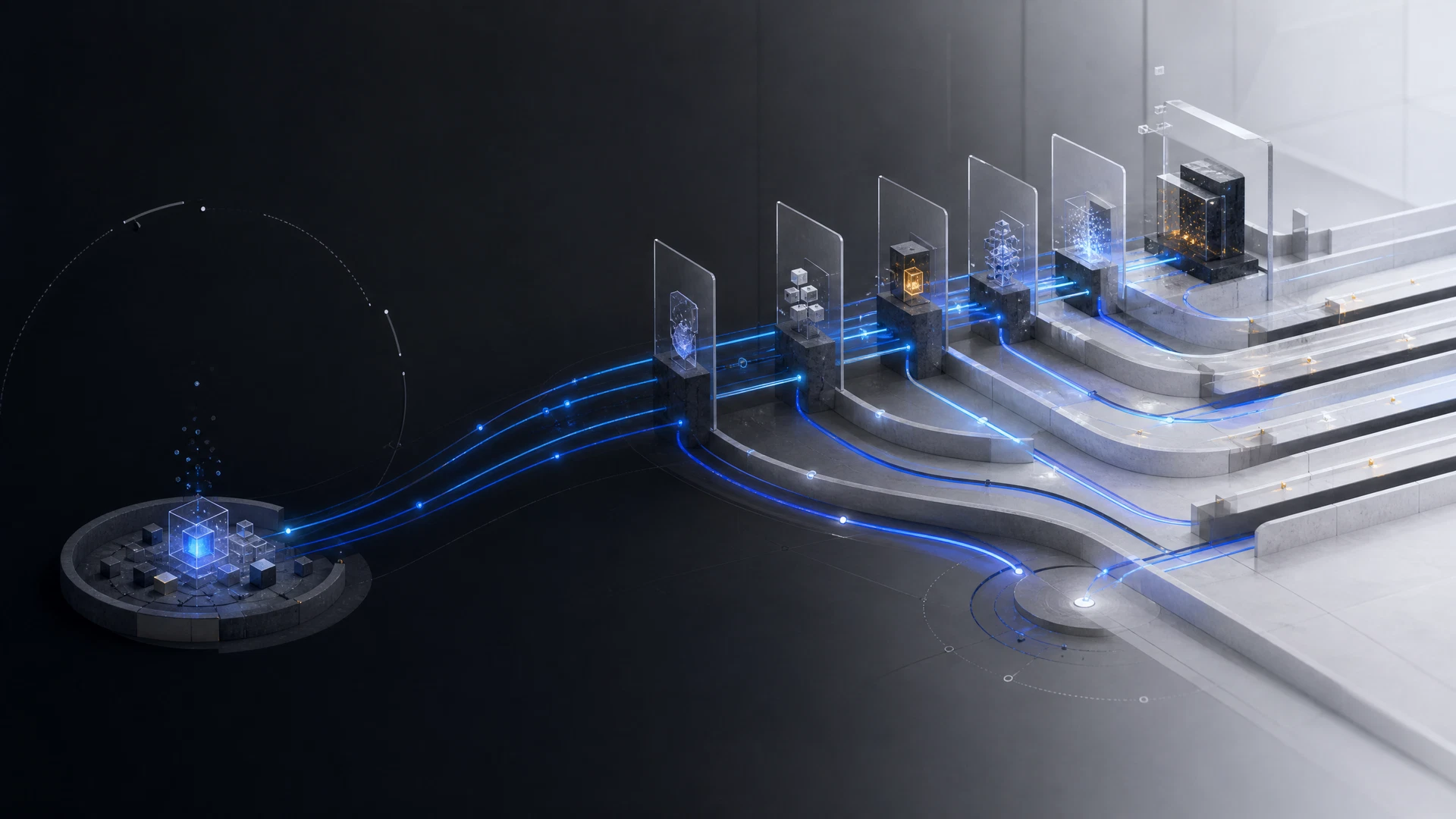
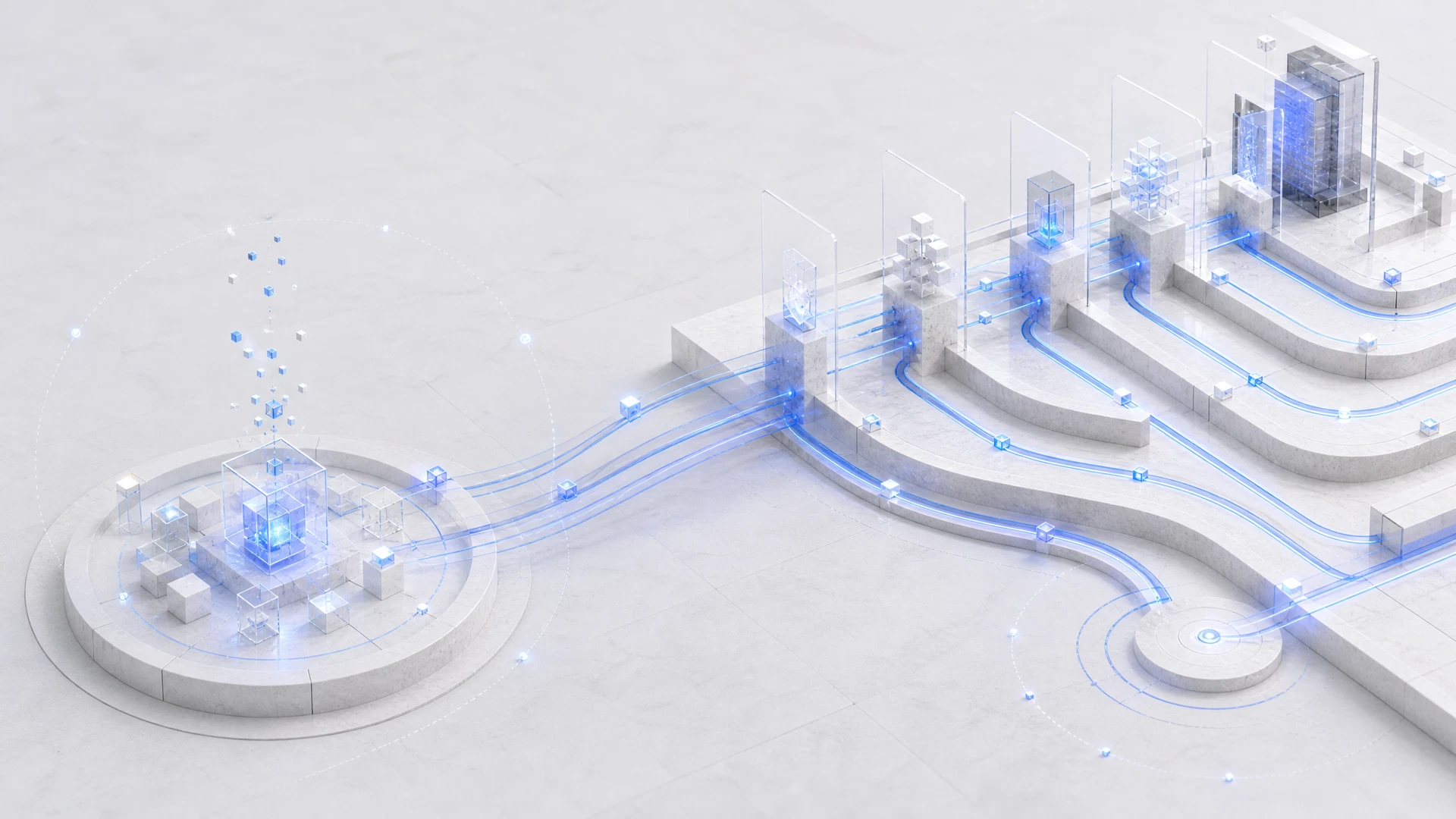
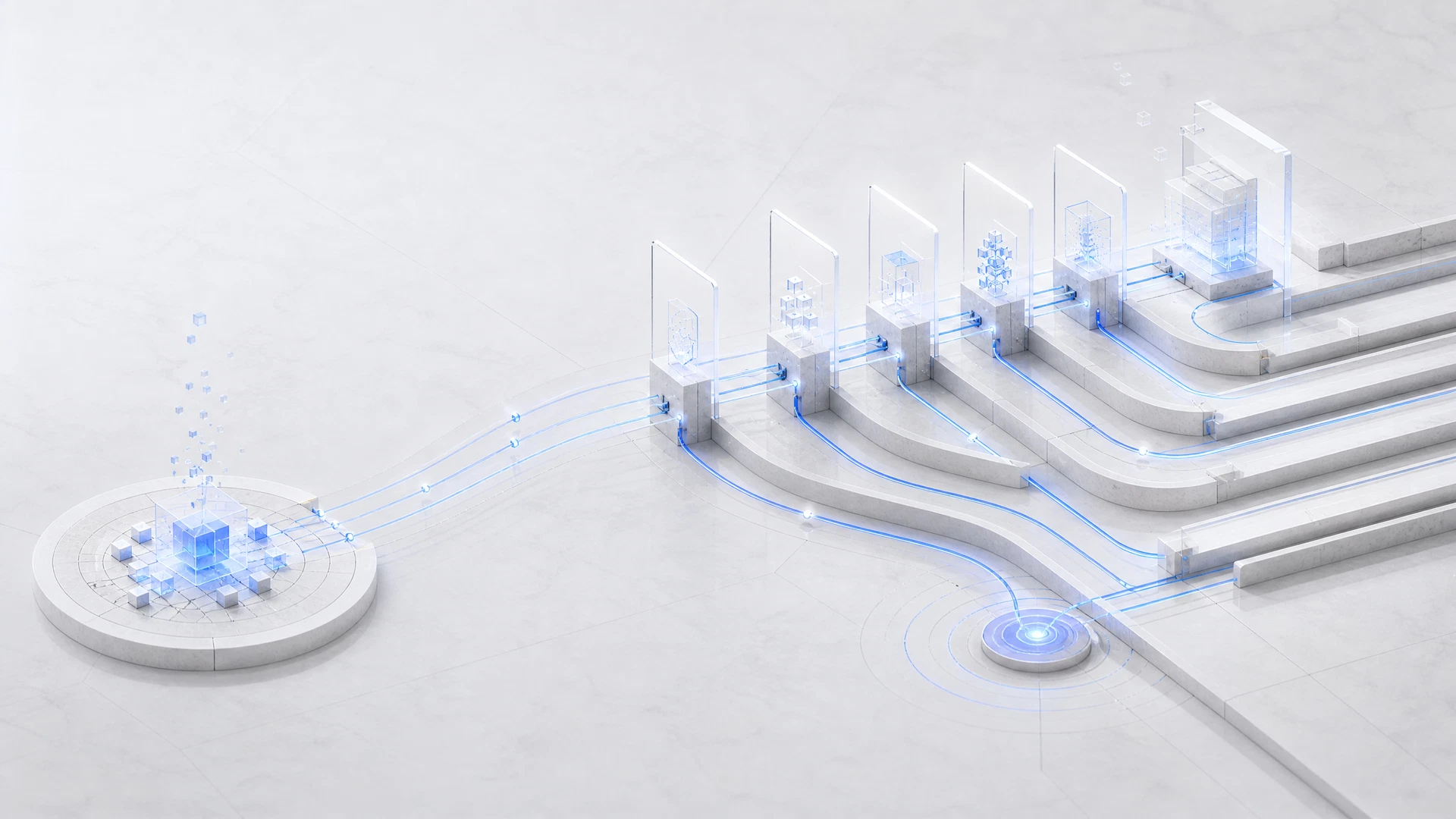
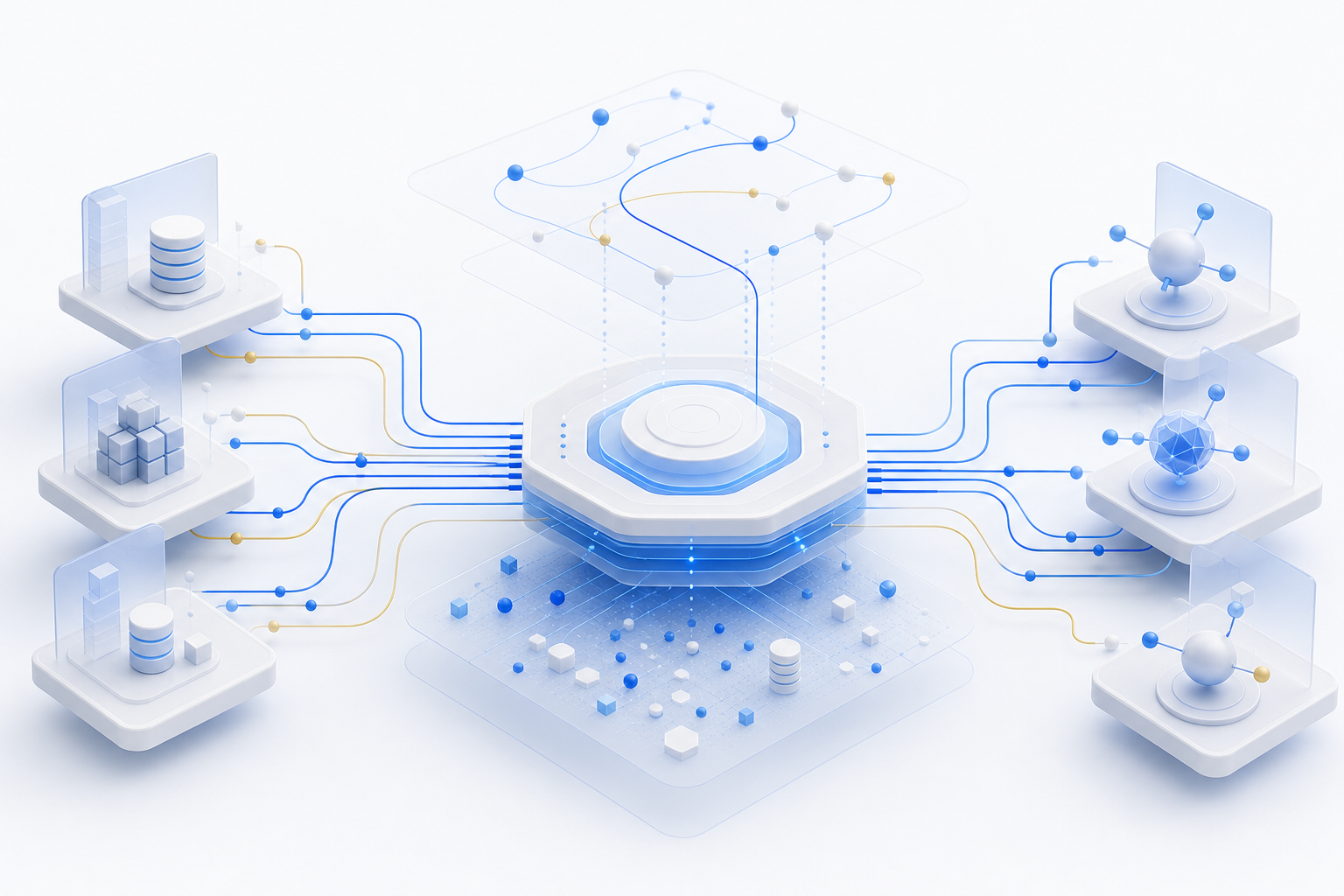
- Build an Agent Context Gateway (ACG) that implements MCP-style primitives for your environment (discovery, tools/resources registry, prompt templates, notifications API). The gateway sits between Agentforce agents and your enterprise systems (CRM, catalogs, billing, identity).
- Configure one high-value, customer-facing workflow in Agentforce (for example, a service-case deflection + escalation flow or a commerce-agent that resolves order lookups) to operate through the ACG. Use Agentforce Builder/Voice and the AgentExchange connectors you already have.
- Instrument observability: capture discovery events, tool execution logs, memory updates, and notification streams. The ACG should log who/what requested which tool, the resource snapshot delivered, and execution outcomes for audit and model improvement.
- Define success criteria: (a) repeatable context delivery for 100% of agent decisions in the workflow; (b) auditable execution trail for all external tool calls; (c) measurable reduction in escalations (or another business KPI chosen with stakeholders) in the pilot workflow.
Why 90 days: it is short enough to force focus, long enough to validate operational issues (auth, latency, governance) and produce measurable outcomes.
How to run the pilot — a practical checklist
- Day 0–14: Appoint ACG owner, map the workflow, and inventory required tools and resources (CRM endpoints, product APIs, user identity tokens).
- Day 15–45: Implement the ACG’s discovery and tool-execution endpoints following MCP’s primitives (discovery, tool execution, notifications). Decide on transport: stdio for local on-prem services or Streamable HTTP for remote services.
- Day 46–70: Integrate with Agentforce Builder/Voice and AgentExchange connectors; route agent context requests through the ACG. Add memory and notification handlers.
- Day 71–90: Run pilot with live traffic or production-representative traffic, gather telemetry, run a post-mortem, and make go/no-go decision for scaled rollout.
Headless 360 operating-model point of view
Headless 360 recommends treating agent context as a first-class product. That means:
- A cross-functional "Agent Context" team (platform engineering, security, product, and a business owner) owns the ACG like any internal API product. They maintain SLA, change management, and SDKs.
- Use MCP-aligned versioning and discovery so agents declare the capabilities they expect and the gateway advertises available tools and their contracts.
- Keep model selection and training separate from context plumbing. Models should be swappable; context delivery, tool authorization, and telemetry must remain stable.
- Instrument the gateway for continuous improvement: correlate agent inputs, memory state, tool calls, and business outcomes so model and process teams can iterate with concrete feedback.
This operating model avoids two common failure modes: (1) fragile point integrations that break when an agent or API changes, and (2) product teams that treat agents as experimental demos rather than production services.
Risk and mitigation
- Latency: adding a gateway can add RTT. Mitigate with local caching of frequently used resources, pre-fetching, and async notifications for long-running tasks.
- Governance: unauthorized tool access. Mitigate with capability-based discovery and tokenized execution paths; enforce RBAC at the gateway.
- Complexity: new integration layer. Mitigate by starting with a single workflow and re-using AgentExchange connectors where possible.
FAQ (concise)
Q: Isn’t Agentforce already an integration platform?
A: Agentforce provides agent-building and connector surfaces. The ACG is an architectural layer that standardizes context exchange, tool discovery, and telemetry to make enterprise deployments repeatable and auditable.
Q: Why MCP specifically?
A: MCP defines the fundamental primitives enterprises need—discovery, tools/resources, prompts, notifications—and describes transport options aligned to both local and remote hosting models. Using those primitives speeds design and reduces bespoke protocols.
Q: Do we have to adopt an MCP server implementation?
A: No — you can implement MCP-style primitives in your gateway. The important part is the contract: discoverable capabilities, consistent tool execution semantics, and notification patterns.
Q: Which stakeholders should be involved?
A: Platform engineering (owner), security/compliance, the product owner for the pilot workflow, and a data/ML liaison to capture telemetry for model improvement.
References
- Salesforce Agentforce product and capabilities: https://www.salesforce.com/agentforce/mcp-support/
- Model Context Protocol (architecture overview): https://modelcontextprotocol.io/docs/learn/architecture
HEADLESS 360 OPPORTUNITY SESSION
Bring one workflow.
Leave with a clearer move.
KEEP READING